
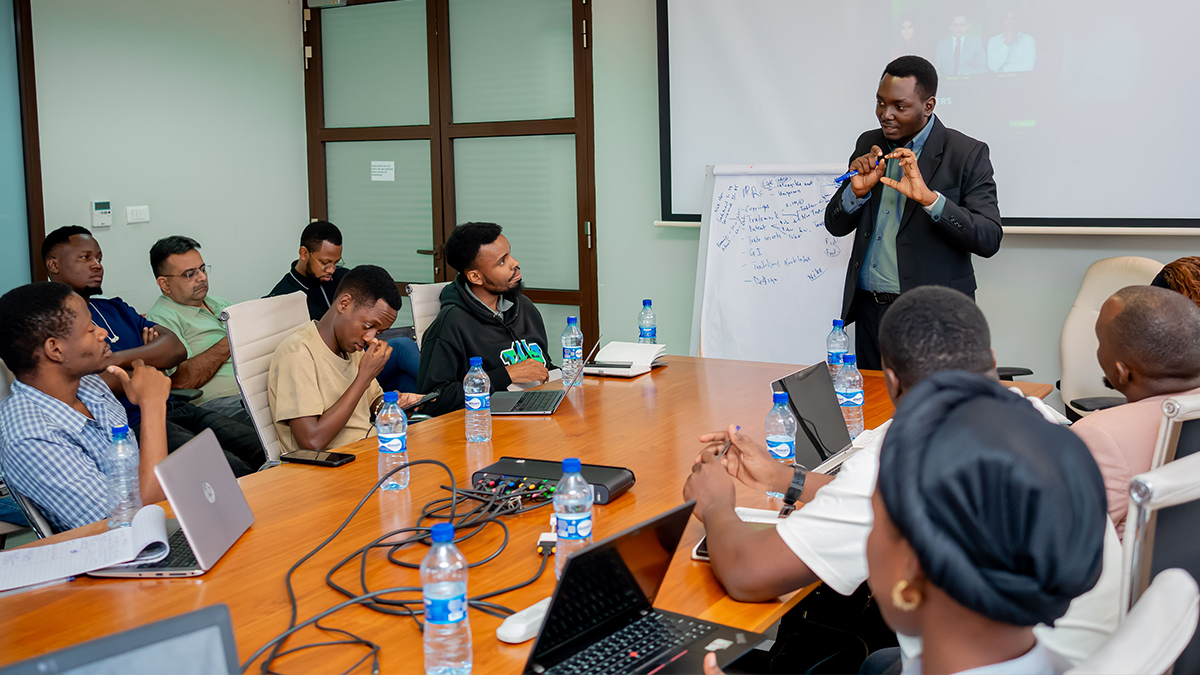
As part of our ongoing collaboration with CGK Africa Connect, we conducted another engaging training session focused on leveraging and protecting Intellectual Property (IP) rights in startups and emerging businesses. The session explored how entrepreneurs and innovators can use intellectual property strategically to support business growth, protect their creative assets, and build sustainable commercial value.
The discussion highlighted the importance of understanding intellectual property from the early stages of a business. Startups often develop valuable assets, including business names, logos, inventions, software, creative works, designs, and unique business processes. Understanding how these assets can be protected and commercially leveraged enables entrepreneurs to make informed decisions as they develop and expand their businesses.
A key focus of the training was when to protect intellectual property and how to choose the appropriate protection strategy. Participants explored the importance of identifying their intellectual assets early, understanding the different forms of IP protection, and considering protection before publicly disclosing, commercialising, or sharing valuable innovations with potential partners and investors.
Beyond protection, the session emphasised that intellectual property is also a business asset. When managed strategically, IP rights can create opportunities for licensing, partnerships, investment, brand development, and additional revenue streams. For startups seeking to establish themselves in competitive markets, an effective IP strategy can help distinguish their products and services, strengthen their market position, and support long-term business sustainability.
One of the most rewarding aspects of the session was the active participation. Attendees raised numerous interesting and practical questions, demonstrating a strong interest in understanding how intellectual property principles apply to real business situations. These discussions provided an opportunity to explore the challenges entrepreneurs face when protecting their ideas, managing ownership, and transforming innovation and creativity into commercial opportunities.
The session reinforced an important message: intellectual property should not be treated as an afterthought; it should be part of a startup's business strategy from the beginning. Entrepreneurs who understand what they own, how to protect it, when to seek protection, and how to leverage it commercially are better positioned to safeguard their innovations and build valuable businesses.
We appreciate the continued collaboration and the enthusiasm demonstrated by all participants. Through practical knowledge-sharing and continued engagement, we aim to strengthen awareness of intellectual property and encourage entrepreneurs to integrate IP management into their business development strategies.